Thinking about listing your Lewiston home soon and wondering what it is really worth? You are not alone. Online estimates can be a useful starting point, but they miss the details that win buyers and protect your bottom line. In this guide, you will see exactly what a professional, locally informed valuation includes, how it accounts for Lewiston’s unique market, and what you can do to prepare for a confident list price. Let’s dive in.
Why your Lewiston valuation is different
Online estimates are quick, but they are built from averages. A professional valuation adds local knowledge and real data from your neighborhood so you can price with purpose.
- Automated tools use public records and broad modeling. They rarely capture interior condition, recent upgrades, or small-sample neighborhoods.
- A local, agent-delivered valuation starts with data, then layers in hand-picked comparable sales, property condition, micro-location insights, and real-time buyer activity. The goal is accuracy you can act on within the next 90 days.
What your valuation includes
Executive summary and value range
You receive a one-paragraph summary with a recommended list price and a realistic value range. The summary notes confidence level based on the number and quality of nearby, recent sales and how well your home’s condition is documented.
Comparable sales and listings
Manually selected comps include addresses, sale dates, sale prices, and clear notes on adjustments. You will also see relevant pending and active listings to understand today’s buyer competition and pricing pressure.
Property condition audit
Expect a concise review of interior and exterior condition: roof, windows, systems, flooring, kitchens and baths, and any needed repairs. Recent, permitted upgrades are highlighted for their market impact. Unpermitted work is flagged since it can affect value and timing.
Micro-location notes
Your report calls out street and block traits, proximity to major roads or rail, potential noise sources, river views or river access considerations, and any floodplain factors based on Lewiston’s river setting. For homes outside city limits, wells, septic, and acreage usability are addressed.
Pricing roadmap and net proceeds
You will see a suggested list price, alternative pricing strategies, a recommended marketing window, estimated days to offer, and a simple net proceeds outline that shows how commission, closing costs, and typical concessions may affect your bottom line. This makes it easier to compare scenarios before you list.
Confidence factors and caveats
The report explains variables that could shift value: interest rate movements, local employment changes, appraisal risk, and the strength of recent comps. You will see how these factors might affect time on market and negotiation.
Local factors that shape value in Lewiston
Economy and demand drivers
Lewiston’s role as the Lewis-Clark Valley’s commercial center, with river-port logistics, regional services, and higher education, supports steady housing demand. Shifts in manufacturing, agriculture, health care, and college staffing can influence buyer activity month to month, which your valuation weighs alongside national trends.
Property types and adjustments
- Single-family homes inside city limits often have strong comp pools, which improves confidence.
- Older homes may need adjustments for electrical, plumbing, and foundations. Historic character can add appeal when balanced with maintenance needs.
- Manufactured homes or acreage properties require a different comp set and careful adjustments since automated models often misread them.
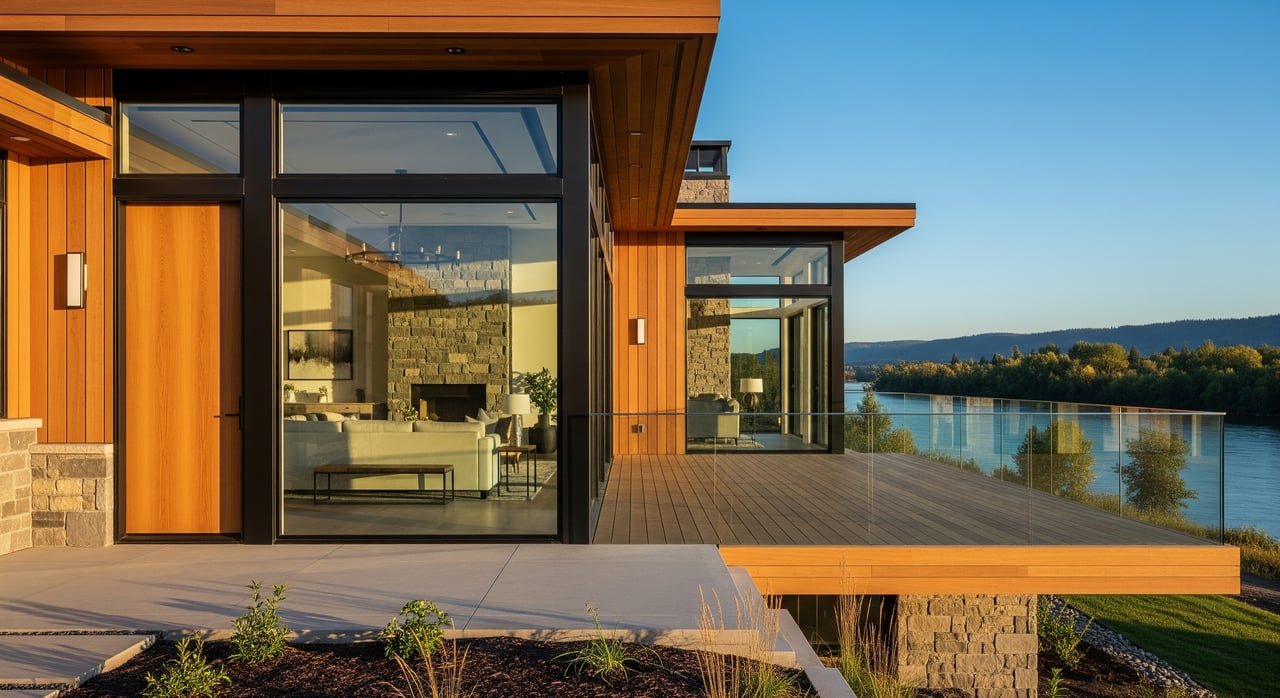
- Riverfront or river-view homes can carry premiums. Valuation considers access, view quality, and any flood or disclosure factors.
- Properties with wells and septic rely on documented system age, condition, and records. Strong documentation supports value and buyer confidence.
Micro-location variables
Street-by-street differences matter. Your valuation reflects yard usability, slope, privacy, traffic patterns, access to major roads, and any nearby industrial or airport influences. For school attendance zones, the report uses neutral data and buyer behavior trends rather than subjective ratings.
Permits and disclosures
Permitted projects add clarity and help buyers and appraisers support value. Unpermitted work can slow a sale or reduce price. Your valuation organizes recent permits, tax history, and parcel details so you can address questions early.
How comps and adjustments work
Selecting the right comps
Your valuation prioritizes sales within the past 3 to 6 months when possible, and within the same neighborhood or a short radius for city homes. It matches property type, square footage, lot size, age, and bed-bath count. For rural or unique properties, the radius and time window may expand to find appropriate comparisons.
Typical adjustments
Adjustments account for size differences, bed and bath count, updates to kitchens and baths, flooring and windows, mechanicals, garage and shop spaces, lot usability, privacy, views, and construction quality. The goal is to compare apples to apples and show how each feature shifts the indicated value.
Price range and scenarios
You will see a recommended list price and a range built around the data. If you complete specific repairs or cosmetic updates, the valuation can include a revised scenario that shows likely improvements to marketability and time to offer.
Appraisal, agent opinion, and AVM
- AVM: Fast and broad. Good for a quick check but not a pricing plan.
- Agent valuation: Built for the market. It guides your list price and strategy.
- Appraisal: Lender-ordered for financing. It may weigh comps differently and can be more conservative. Your valuation addresses potential appraisal gaps and options if they arise.
Your 90-day pricing roadmap
Strategy options
- Aggressive and quick: List slightly below probable market value to spark strong early activity and potential multiple offers.
- Market-value: List at the data-supported value to attract fair offers and reduce appraisal risk.
- Aspirational: List above market when data supports a niche buyer or scarce inventory. This strategy trades time for price and requires crisp presentation.
Marketing timeline
Your roadmap outlines pre-market prep, photography and video, staging guidance, launch timing, and early feedback checkpoints. It targets likely buyer segments for your home type and location, then adjusts based on showings and inquiries during the first two weeks.
Appraisal planning
The plan anticipates possible lender-appraised outcomes. If you secure a contract above nearby sales, you will see options like price adjustments, buyer gap coverage, or focusing on buyers with cash or limited appraisal contingencies.
Smart pre-list improvements
Tackle high-impact tasks first. These steps usually improve photos, showings, and speed to offer.
- Declutter and deep clean to open up spaces.
- Fresh interior paint in neutral tones and new hardware where dated.
- Curb appeal refresh: trim landscaping, repair steps and rails, paint the front door.
- Minor kitchen and bath touch-ups: caulk, fixtures, lighting, cabinet pulls.
- Safety and material issues: fix roof leaks, address structural concerns, and service major systems. Full transparency builds trust and reduces last-minute renegotiation.
What to have ready
Bring the right documents to raise valuation confidence and reduce surprises later.
- Recent tax statements and parcel information.
- Permits and receipts for renovations or additions.
- Utility bills and any HOA documents.
- Prior appraisals or price opinions if available.
- Photos, floor plan, or measured square footage.
- Notes on known issues and any service or inspection records.
- Lease details if the home is tenant occupied.
What to expect when you request your valuation
- Quick discovery call. You share timing, goals, and updates made since purchase.
- Property review. On-site or virtual walk-through to document condition and features.
- Comp analysis. Recent sales, pending deals, and active competition are evaluated and adjusted.
- Your report. You receive the value range, pricing roadmap, prep suggestions, and net proceeds outline.
- Decision time. You choose a strategy and timeline. Your roadmap adapts if market conditions shift during your 90-day window.
When you are ready to sell, you deserve a clear, local pricing plan backed by data and hands-on guidance. If you want a valuation that reflects Lewiston’s neighborhoods, river setting, and real buyer activity, reach out to schedule your report with Chelsea Blewett. You will get straight answers, smart prep advice, and a plan you can execute with confidence.
FAQs
Why is my Lewiston valuation different from an online estimate?
- Automated tools miss interior condition, recent upgrades, and block-by-block nuances. A local valuation adds hand-picked comps and on-the-ground insights.
How accurate is the agent valuation for my home?
- Accuracy depends on recent, similar sales and clear documentation of condition and features. Your report includes a confidence level and any caveats.
Will I get a single price or a range for Lewiston?
- You receive a recommended list price plus a value range, with assumptions and scenarios explained so you can choose a strategy.
What could move my Lewiston price up or down?
- Up: permitted improvements and strong buyer activity. Down: deferred maintenance, negative local trends, or changes in mortgage rates or employment.
Will the buyer’s appraisal match the agent’s value in Lewiston?
- Not always. Appraisals are lender-focused and may weigh comps differently. Your plan includes steps if an appraisal comes in lower than the contract price.
How do floodplain or river-view factors affect value in Lewiston?
- River views can add appeal. Floodplain and access considerations are reviewed and reflected in the value range and disclosure guidance.
What if my home has a well or septic outside city limits?
- Documented system age and condition support value and buyer confidence. Your valuation considers records and market expectations for county properties.