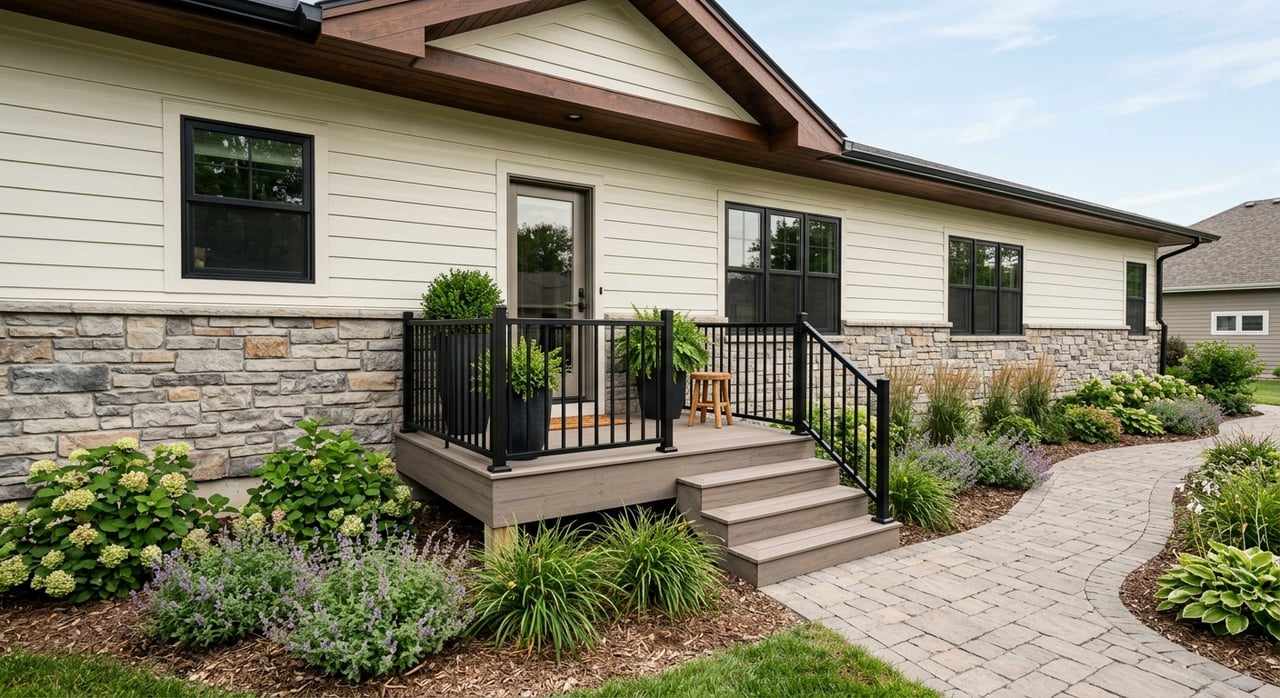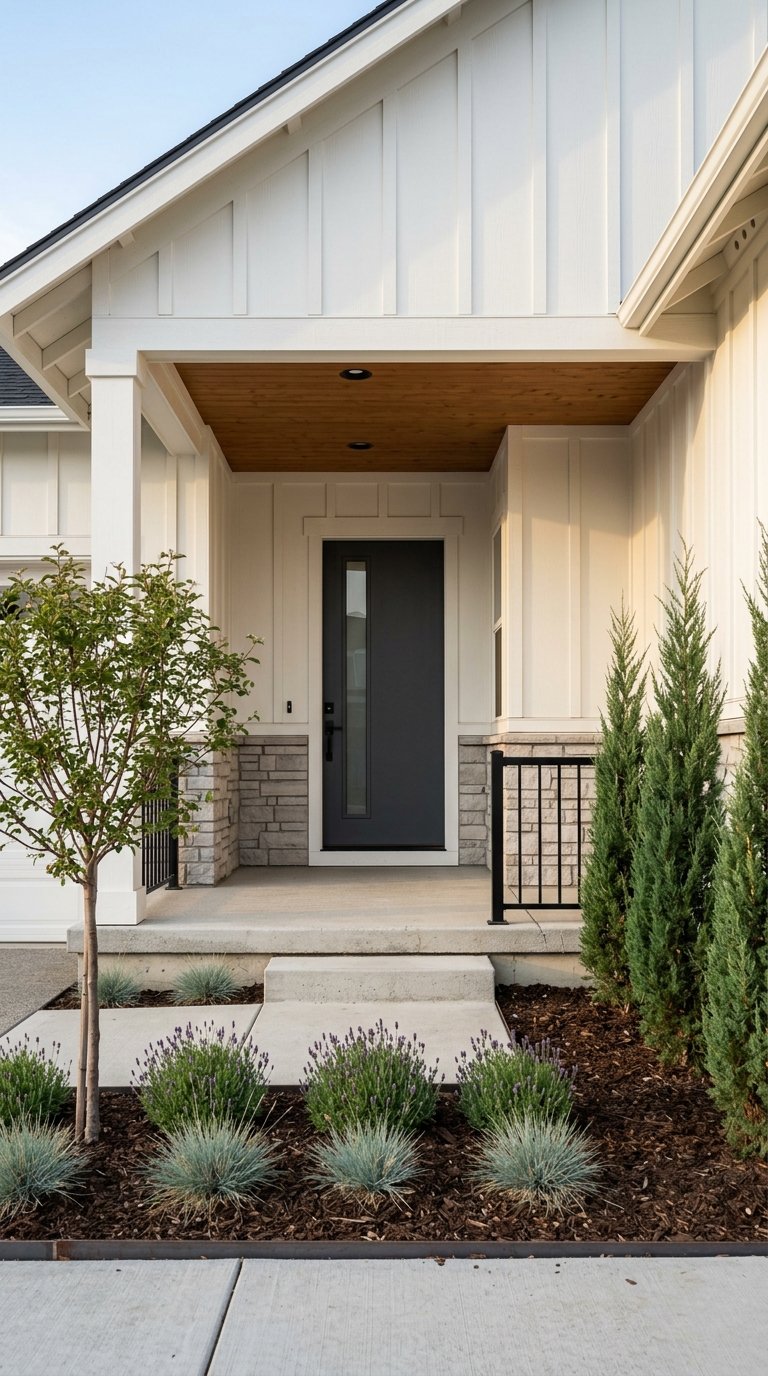
What if your next home helped pay your mortgage? In Clarkston, house hacking can lower your monthly costs while you build equity. If you are curious about living in one part of a property and renting another, this guide gives you a practical path. You will learn what house hacking looks like here, what the numbers say as of early 2026, what permits and rules to check, and how financing can work. Let’s dive in.
House hacking, simply explained
House hacking means you buy a property, live in one part as your primary residence, and rent another part to offset your housing costs. Common setups include:
- A duplex where you live in one unit and rent the other
- A single-family home with a finished lower level or accessory apartment
- A home with a detached or attached ADU
- A house with a rentable shop or workspace, if zoning allows
These strategies can reduce your net housing expense and may help you qualify for certain owner-occupant loans that consider rental income. Always confirm details with local officials and a lender before you assume a plan will work.
Why Clarkston works now
Clarkston’s price and rent balance makes house hacking worth a look.
- As of March 2026, public home value indices place typical Clarkston values in the low to mid $300,000s, with many reports near about $330,000. Smaller cities can move quickly, so date your research and check current listings.
- On the rental side, several third-party trackers place 1 to 2 bedroom rents roughly in the $1,100 to $1,600 range. Zumper reported a Clarkston median around $1,392 in February 2026.
At these levels, the rent from a second unit can meaningfully offset a mortgage. Your math depends on purchase price, rate, down payment, taxes, insurance, and any rehab costs.
Clarkston property types that fit
Duplexes and small multifamily
Turnkey duplexes appear in the local MLS with recent asking prices commonly in the $285,000 to $375,000 range. Some have separate entrances and meters, and a few show rental history. A recent example was a 713–715 4th St duplex listing. Prices and terms change, so treat any listing as a snapshot, not a guarantee.
Tip: Ask for rent rolls and utility details. Verify any separate metering and prior permits.
Single-family homes with a lower-level apartment
Many Clarkston homes have lower levels that could be ideal for a mother-in-law suite or internal accessory apartment. To rent legally, the space must meet building code and pass permits and inspections. Typical items include egress windows for any basement sleeping rooms, minimum ceiling heights, smoke and CO detectors, and proper separation from garages. Washington’s residential code outlines common safety requirements, including emergency escape and rescue openings for basements. You should also review the city’s zoning language on accessory apartments and confirm how current rules apply today.
- Review Washington residential code safety topics like egress and related provisions: Washington Residential Code reference
- Background on older local zoning text for accessory apartments: Clarkston zoning ordinance PDF
Always confirm current policy with the City of Clarkston’s Building and Planning staff before you assume a conversion is allowed.
Detached or attached ADUs
Backyard cottages and attached ADUs can be great long-term rentals if your lot, setbacks, and utilities allow them. Washington has updated state ADU law and guidance to reduce local barriers in many cities. That means state requirements may preempt older local rules. In practice, you should check both current Clarkston regulations and state guidance before you plan an ADU.
- See state ADU guidance: Washington Department of Commerce ADU page
- Start with the City’s permit portal for current local process: Clarkston Building & Planning
House plus shop or rentable workspace
Some Clarkston properties include a shop or garage conversion that looks rentable. Do not assume that space is legal to rent. You must confirm zoning, permit history, utility capacity, and whether a “home occupation” or commercial use fits the parcel. The older zoning document provides useful definitions and background, but you still need to verify today’s rules with the city.
- Background on zoning definitions and special uses: Clarkston zoning ordinance PDF
Before you assume a basement or shop is rentable, call these five places
- City of Clarkston Building & Planning to confirm allowed uses and permits: Permit portal and contacts or call (509) 758-1662
- The City’s Building Inspector for a feasibility look at likely code upgrades and inspections timeline
- Asotin County health authority if the property is on well and septic
- A local licensed contractor or builder for cost and scope
- A local lender or mortgage broker to model financing with projected rents
Rules, permits, and licensing in Clarkston
City versus county
First, confirm whether the property is inside Clarkston city limits or in unincorporated Asotin County. Jurisdiction affects zoning, permitting, and whether you are on city sewer and water. The City’s Building & Planning page is the best starting point for permit information and contacts: Clarkston Building & Planning.
Zoning and ADU policy
Clarkston’s older zoning text identifies one-family and multi-family districts and treats an accessory apartment in a single-family home as a special land use. However, Washington has updated state ADU rules, and state policy may override older local controls. Do not rely on a 2016 PDF alone. Verify your parcel’s present zoning, whether an accessory unit is permitted by right or needs a special-use permit, and what standards apply today.
- Background on older local code: Clarkston zoning ordinance PDF
- State ADU guidance: Washington Department of Commerce ADU page
Building code checks that affect rentals
Converting a basement, garage, or shop to a legal dwelling usually requires building permits and inspections. Common triggers include:
- Egress windows and emergency escape openings for basement sleeping rooms
- Minimum habitable ceiling heights
- Insulation and energy code compliance
- Smoke and CO detectors
- Fire separation from garages
- Plumbing, mechanical, and electrical upgrades
- Sufficient utility and sewer capacity
For a quick reference to safety items like egress, see the Washington Residential Code reference. Your local building official will give you the definitive checklist and inspection steps.
Business licensing and short-term rentals
If you operate a rental in Clarkston, you may need a city business license endorsement through the Washington Business Licensing Service. Short-term rental rules can differ from long-term rentals and may require registration, caps, and local contact information. Always confirm current policy before planning nightly rentals.
- City forms and business licensing guidance: Clarkston City Clerk forms
- Planning discussions on STR regulation: Planning Commission minutes reference
Financing options for owner-occupants
Owner-occupied loans can make duplex and ADU strategies more accessible. Program details can change, and lenders apply their own overlays, so speak with a local lender early.
- FHA 2 to 4 units: FHA historically allows low down payments, sometimes as low as 3.5 percent, when you buy a 2 to 4 unit property and live in one unit. Lenders may count a conservative portion of projected rents from the other units when qualifying. For triplexes and fourplexes, a self-sufficiency test can apply. Review program rules in the FHA Single Family Housing Policy Handbook and confirm specifics with an FHA-approved lender.
- Conventional and portfolio loans: Conventional and portfolio programs also finance owner-occupied multi-unit properties, but down payment and reserve requirements vary. If you do not plan to live on site, that is not house hacking and different investor loans apply. Ask your lender how they treat projected rent and what documentation they require.
- Taxes and insurance: Clarkston treats many rentals as a business activity for licensing. Some state programs affect property tax treatment for ADUs in specific cases, so consult a tax professional. Also, get landlord or dwelling coverage quotes early. A change in use can affect liability coverage and premiums.
Step-by-step due diligence checklist
Follow this simple path before you write an offer based on rental income.
- Confirm the property’s jurisdiction. Check if the address is inside Clarkston city limits or in unincorporated Asotin County. Start here: Clarkston Building & Planning.
- Ask the listing agent for prior permits, inspection records, and any rental history for an accessory unit or shop conversion. Verify everything independently.
- Call City of Clarkston Building & Planning to confirm allowed uses, whether a conversion is permitted by right or needs a special-use permit, and to get a permit checklist and fee estimate: permit portal and contacts.
- If the property is on well and septic, call the local health authority to verify system capacity and likely upgrades. State ADU guidance flags water and sewer as gating issues for detached units: WA Commerce ADU guidance.
- Get a contractor or inspector estimate for required upgrades. Ask about egress windows, ceiling heights, insulation and energy compliance, smoke/CO detectors, and expected inspections. See safety references here: Washington Residential Code reference.
- Talk to a lender about FHA, VA, or conventional options and whether projected rents can help you qualify. Ask for a pre-approval that matches your plan: FHA Handbook overview.
- Verify business license and, if applicable, short-term rental registration steps and fees: Clarkston City Clerk forms.
- Get landlord insurance quotes and decide whether you will self-manage or hire help.
Local examples to start your search
Here are a few recent Clarkston snapshots to illustrate pricing only. These are not current offers and prices change.
- Duplex example: 713–715 4th St was recently marketed in the local duplex range mentioned above.
- Duplex example: 415 6th St has appeared around the mid $300,000s in prior marketing.
Use these as general context while you watch current listings and verify both condition and legal use.
Is house hacking right for you?
If you want to build equity and lower your monthly cost, house hacking in Clarkston can be a practical path. The key is doing careful due diligence on zoning, permits, and safety, plus choosing financing that fits your plan. With the right property and a clear process, you can turn a home into a home plus income.
Ready to explore duplexes, ADU-friendly lots, or homes with conversion potential in the LC Valley? Reach out to Chelsea Blewett for local options, a clean due-diligence plan, and introductions to lenders, inspectors, and contractors.
FAQs
Can I buy a Clarkston duplex with 3.5 percent down using FHA?
- Potentially yes under FHA’s owner-occupied 2 to 4 unit rules if you live in one unit and meet program requirements. Loan limits and lender overlays apply. Review the FHA Handbook and confirm with a local lender.
If I buy in Clarkston, can I legally rent my basement right away?
- Not automatically. The space must meet building code and have the right permits and inspections. Common needs include egress windows, smoke and CO detectors, and minimum ceiling heights. See the Washington Residential Code reference and confirm with City Building & Planning.
For a Clarkston ADU, do I need a separate meter or address?
- Sometimes. Addressing and utility requirements vary by location and system capacity. Ask the City’s permit staff what is required for your parcel: Clarkston Building & Planning.
Are short-term rentals allowed in Clarkston today?
- Clarkston has discussed STR regulation, and rules can differ from long-term rentals. Registration, caps, and licensing may apply. Review city resources like Planning Commission minutes and confirm current policy with City staff.