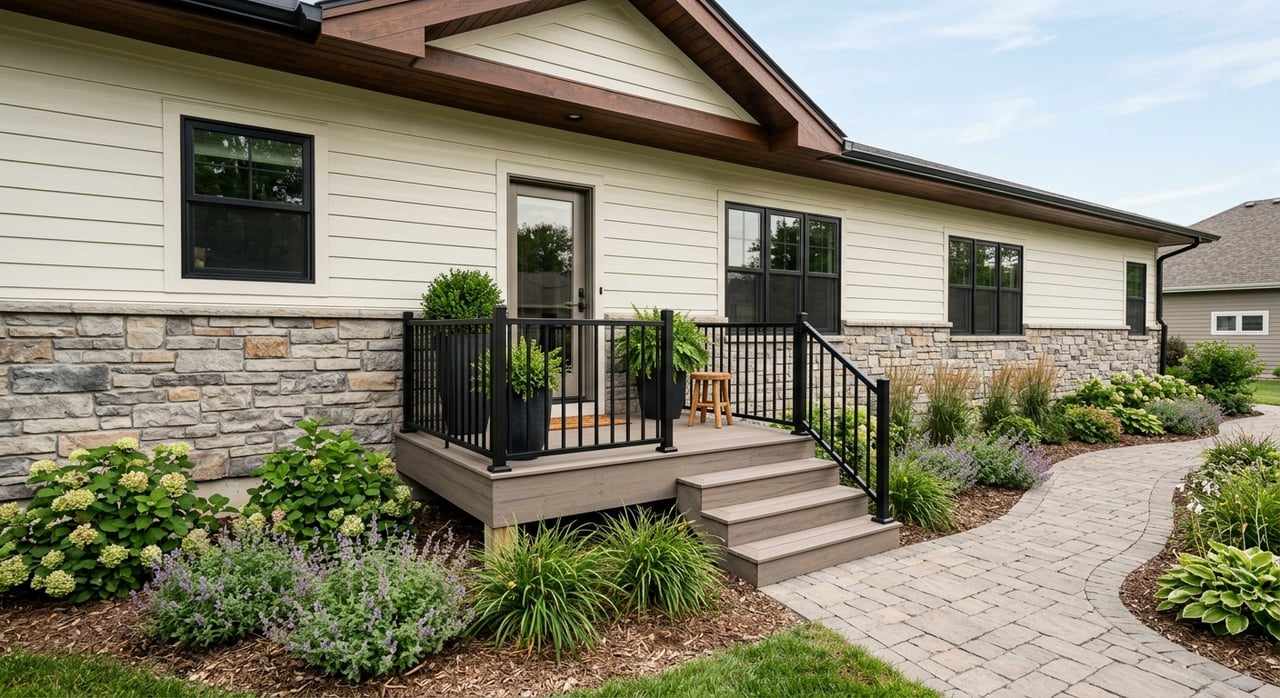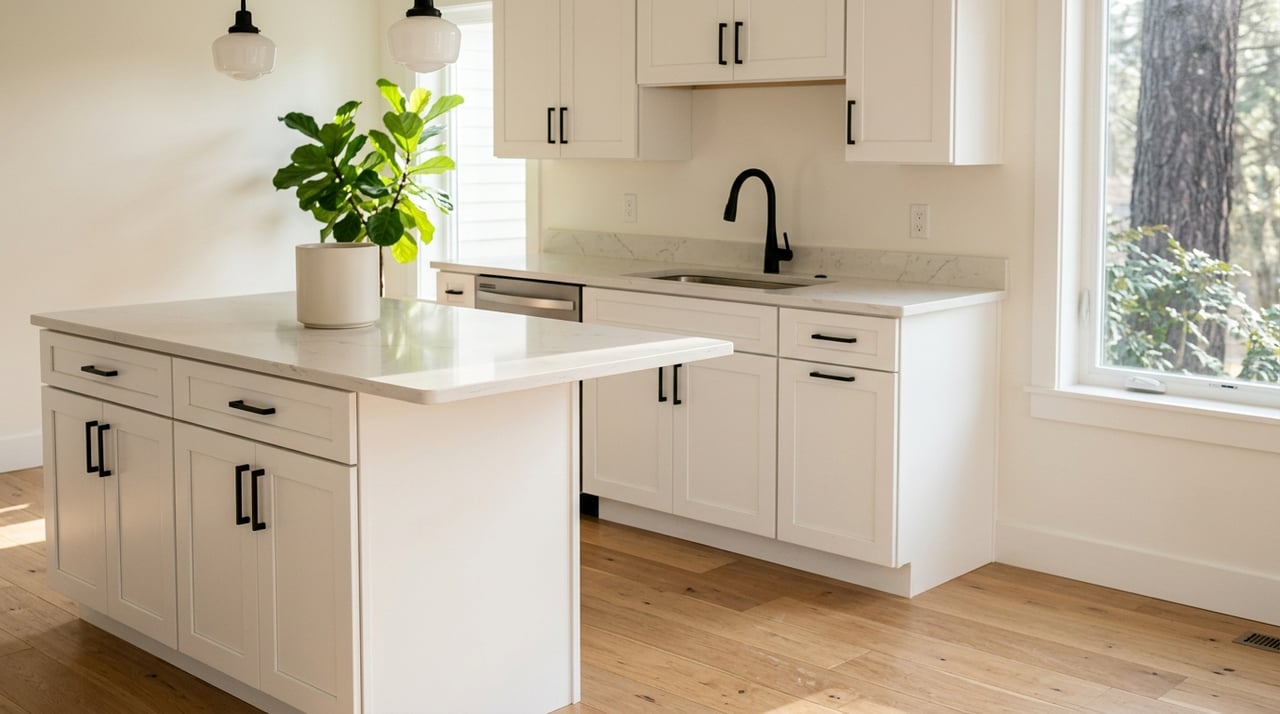
Feeling squeezed in the home that once felt just right? If your first Lewiston home is starting to feel a little too small for your life now, you are not alone. A move-up purchase can open the door to more space, a better layout, or features that fit your current needs, but it also takes smart planning. This guide will help you think through timing, budget, equity, and prep work so you can make your next move with more clarity and less stress. Let’s dive in.
Why a move-up plan matters in Lewiston
If you are selling one home and buying another in Lewiston, market conditions matter, but so does your personal strategy. According to Redfin’s Lewiston housing market data, the median sale price was $388,500 in March 2026, with homes selling in a median of 31 days and a 99.7% sale-to-list ratio. That suggests buyers are still active and well-priced homes can move.
At the same time, Realtor.com’s Lewiston market page shows a different snapshot, including 189 listed homes, a median listing price of $449,000, 85 median days on market, and a 99% sale-to-list ratio. The exact numbers differ by source, but the practical takeaway is clear: this is not a market where you should rely on luck. Pricing, presentation, and a solid transition plan can make a real difference.
Start with net proceeds, not just equity
Many homeowners begin by asking, “How much equity do I have?” That is a good start, but the better question is, “How much will I actually walk away with?” Your move-up budget depends on net proceeds, not just your estimated home value.
When you buy your next home, the CFPB notes that closing costs typically range from 2% to 5% of the purchase price, not including your down payment. You may also need cash for moving, repairs, utility setup, and the everyday purchases that come with a new home.
Ongoing costs matter too. The CFPB says ownership expenses can include principal and interest, mortgage insurance, property taxes, homeowners insurance, maintenance, utilities, and HOA fees. On top of that, NAR’s buyer guidance referenced by CFPB suggests setting aside 1% to 4% of a home’s value each year for maintenance and repairs.
A simple move-up budget checklist
Before you shop seriously, it helps to estimate:
- Your current mortgage payoff
- Expected seller closing costs
- Possible repairs or prep expenses before listing
- Your target down payment for the next home
- Buyer closing costs
- Moving expenses
- A cushion for post-move repairs or purchases
- Your new monthly payment, including taxes and insurance
Do not forget Idaho property taxes
If you are buying a larger or more expensive home, property taxes deserve a close look. The Idaho State Tax Commission says the homeowner’s exemption can exempt 50% of a home’s value and up to one acre of land, up to a maximum of $125,000, from property tax.
The same source also notes that Idaho offers a Property Tax Reduction program for eligible homeowners, which can reduce property taxes on a qualifying primary residence and up to one acre by $250 to $1,500. Even if your next home feels affordable based on purchase price alone, comparing future tax costs can help you avoid surprises.
Get lender-ready early
A move-up purchase usually works best when you talk with a lender before you make major decisions. According to the CFPB’s homebuying guidance, lenders typically review your income, assets, employment status, savings, debt payments, credit history, and credit score.
That same guidance recommends meeting with lenders, getting a preapproval letter, and comparing loan offers. If you are trying to buy and sell at the same time, this step is even more important because it helps you understand what you can afford before you commit to a listing plan or home search.
Questions to ask before you move up
Here are a few smart questions to ask your lender and agent team:
- How much can I comfortably spend each month?
- Will I need proceeds from my current home for the next down payment?
- What loan options fit my timeline?
- How strong is my preapproval if I need to write an offer quickly?
- What closing timeline is realistic for both transactions?
Should you sell first or buy first?
There is no one-size-fits-all answer. The right sequence depends on your finances, your comfort with risk, and how much flexibility you need.
The CFPB explains that buyers can explore loan choices and shop for homes at the same time. It also recommends using financing and inspection contingencies so you are not locked into a purchase if the loan or inspection falls through.
For many move-up buyers, the real question is whether they need their current home’s equity to complete the next purchase. If the answer is yes, selling first or using a contingency-based approach may make more sense. If the answer is no, you may have more options, but that does not mean you should move without a plan.
Common transition options
NAR’s contingency guide outlines several tools that can help coordinate both sides of the move:
- Home-sale contingency: gives you time to sell your current home before closing on the next one
- Home-close contingency: gives you time to close your current home before buying the next one
- Kick-out clause: lets the seller continue marketing the property while your contingency is in place
- Rent-back clause: allows you to stay in your sold home for a negotiated time after closing
- Early move-in: may allow occupancy before closing in some situations
NAR also notes that if contingencies are not met within the contract timeline, either party can cancel without penalty if they are acting in good faith. That is why clear timelines and expectations matter from the start.
What if you need equity for the next home?
This is one of the biggest move-up challenges. If most of your available cash is tied up in your current home, your buying strategy needs to account for that.
One possible option is temporary bridge financing. The CFPB describes bridge loans as temporary financing, often for 12 months or less, that can help you buy a new dwelling while planning to sell your current one during that period.
This is not a default solution for everyone. It is best treated as a conversation with your lender and financial advisers, since costs, qualification standards, and risk can vary.
Prepare your Lewiston home before you list
If you are hoping to move up, it can be tempting to pour money into your current home before selling. Usually, a more practical approach works better: focus on condition, cleanliness, and presentation rather than major upgrades right before you leave.
According to NAR’s seller preparation guide, a pre-sale inspection can uncover issues you may want to address before listing. The same guide also highlights the importance of disclosure requirements, which means preparation is about more than appearance.
The fixes that usually matter most
A smart pre-listing plan often includes:
- Deep cleaning throughout the home
- Decluttering closets, counters, and storage areas
- Fixing obvious maintenance issues
- Touching up paint where needed
- Improving curb appeal with basic cleanup
- Making sure key systems and features are working properly
This kind of prep can help buyers focus on the home itself rather than a list of small distractions.
Staging can help buyers picture the next chapter
When you are moving up, your current home may still be a strong fit for another buyer. Good staging helps them see that clearly.
NAR’s 2025 staging report found that 83% of buyers’ agents said staging made it easier for buyers to envision the home. The same report found that 49% of sellers’ agents said staging reduced time on market, and 29% said staging produced a 1% to 10% increase in the dollar value offered.
The report also notes that the median cost of a professional staging service was $1,500, compared with $500 when the agent handled staging themselves. That does not mean every room needs to look like a magazine spread. It does mean targeted staging in the main living spaces can be worth considering.
Focus on the rooms buyers notice first
If you are prioritizing your budget, start with:
- Living room
- Kitchen
- Primary bedroom
- Dining area
- Entryway
These spaces often shape a buyer’s first impression and can help your home feel more move-in ready.
Plan your closing timeline carefully
The details at the end of the transaction matter just as much as the beginning. The CFPB explains mortgage closing as the process where final loan paperwork is signed, often involving the real estate agent, title insurance company, escrow company, attorney, and lender depending on the transaction.
If you are closing one sale and one purchase close together, timing becomes especially important. Review deadlines carefully, confirm your moving plan early, and read final paperwork closely before signing.
Build a move-up plan around your life
A move-up purchase is not just about square footage. It is about finding a home that fits the way you live now, while protecting your budget and keeping the transition manageable.
In Lewiston, where homes are still selling near asking price and inventory is available, a calm and prepared strategy can go a long way. If you want help planning the timing, preparing your current home, and lining up the right next step, Chelsea Blewett offers local guidance, hands-on coordination, and a thoughtful approach built for real life.
FAQs
What does moving up from a first home in Lewiston usually mean?
- It usually means selling your current home and buying another one that better fits your needs today, such as more space, a different layout, or updated features.
Should you sell your Lewiston home before buying your next one?
- It depends on your finances and timing. If you need equity from your current home for the next down payment, selling first or using a contingency may be the safer path.
What costs should you budget for when moving up in Lewiston?
- Budget for seller costs, buyer closing costs, moving expenses, possible repairs, utility setup, and ongoing ownership costs like taxes, insurance, and maintenance.
Can a home-sale contingency help with a move-up purchase in Lewiston?
- Yes. A home-sale contingency can give you time to sell your current home before closing on the next one, though sellers may respond differently depending on the situation.
What home improvements should you make before listing your first Lewiston home?
- Focus on practical prep like deep cleaning, decluttering, fixing visible issues, and staging important rooms instead of over-renovating right before you move.
How can Idaho property taxes affect your move-up budget?
- A larger or higher-priced home may come with higher property taxes, so it is smart to compare those ongoing costs along with your mortgage payment when planning your budget.