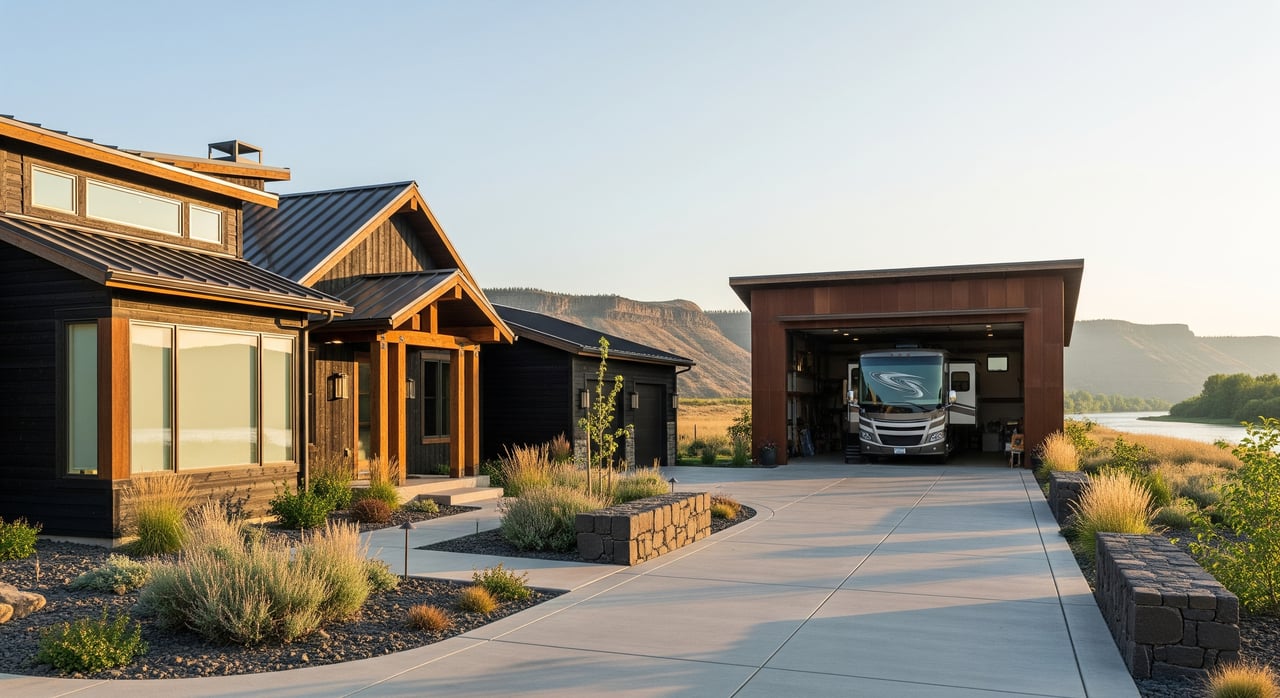
Wondering if a shop or RV parking will boost your home’s value in Clarkston? You are not alone. With life centered around the Snake River, boats, RVs, and outdoor gear are part of daily routines here. That lifestyle often translates into strong buyer interest for extra storage, covered parking, and functional workspace. In this guide, you will learn what local buyers look for, how appraisers judge these features, and what steps to take whether you are buying or selling. Let’s dive in.
Why RV parking and shops matter in Clarkston
Clarkston’s river access and outdoor culture create steady demand for RV, boat, and gear storage. Many buyers have hobbies that need room, and some commute to nearby employment centers while keeping toys at home. In markets like this, well-planned shops and RV pads tend to be more marketable than in dense urban areas.
That said, value is always local. Neighborhood context, lot size, and zoning all influence how much a feature helps. The right setup on the right lot can attract more buyers and support a stronger price. A mismatched or unpermitted structure can do the opposite.
How appraisers view these features
Appraisers focus on what buyers will pay for in your market. They use comparable sales to estimate how much a feature contributes to value. Here is what matters most:
- Contributory value versus cost. The value added is not the same as what you spent to build it.
- Permits and quality. Permitted, professionally built shops and pads carry more weight than improvised or unpermitted work.
- Functional utility. A clean, useful shop or a real RV pad with hookups is more valuable than a shell or a soft parking spot on lawn.
- Market acceptance. If buyers in Clarkston prize these features, appraisers will reflect that in their adjustments and comp selection.
To help your appraisal, assemble permits, contractor receipts, measurements, electrical details, and a short list of recent sales with similar features.
Features that add value in Clarkston
Certain details tend to resonate with buyers and support appraisal adjustments when paired with permits and good workmanship.
- Permitted construction. Documented permits and final inspections show legitimacy and reduce lender concerns.
- Solid foundation and finishes. A shop with a permanent foundation, insulation, good lighting, and clean finishes shows as a durable improvement.
- Power and capacity. 120/240V service, a subpanel in the shop, and labeled 30A or 50A RV outlets are assets buyers recognize.
- Real RV hardstand. A concrete or engineered gravel pad with a stable base and clear access communicates convenience and care.
- Access and maneuvering. A wide gate, generous turning radius, and drive-through potential improve usability for larger rigs and boats.
- Security and screening. Quality fencing, gates, and visual screening add comfort and reduce neighborhood friction.
- Multi-function space. Storage plus hobby workbench, cabinetry, and climate control can widen appeal across buyer types.
- Climate protection. Covered or indoor storage can be preferred where sun and freeze-thaw cycles affect equipment.
What can hurt your value
A few missteps can drag down appeal or trigger appraisal discounts.
- Unpermitted or nonconforming structures. These may be ignored by appraisers or raise lender issues.
- Hazardous use or poor condition. Signs of heavy industrial use, stains, fumes, or subpar electrical work can turn buyers off.
- Aesthetic impact. Oversized buildings on small lots or cluttered, dirty shops undercut curb appeal and buyer confidence.
- Drainage or surface problems. Soft ground, rutting, or visible pooling near the pad or shop will worry inspectors and buyers.
Permits, zoning, and neighborhood rules
Before you build or list, verify the rules that apply to your property in Clarkston and Asotin County. Key checkpoints include:
- City of Clarkston Community Development and Planning. Confirm setbacks, height limits, lot coverage, and accessory building rules.
- Asotin County Assessor and building records. Validate whether your shop or pad was permitted and how it is recorded.
- HOA or CCRs. Some neighborhoods limit visible RV parking, placement, and aesthetics. Always confirm before you proceed.
- Utilities and wastewater. If you plan RV hookups, check local standards for electrical, water, and sewer connections.
Permits matter. A permit-backed, code-compliant improvement will usually appraise and sell more smoothly than a quick workaround.
Selling: smart upgrades and prep
If you are preparing to list, start with high-impact basics, then consider moderate improvements that are easy to document.
Short-term, low-cost wins:
- Declutter and deep clean the shop. Remove hazardous materials.
- Improve lighting and label electrical panels and outlets.
- Repair door seals and hardware. Add a fresh coat of paint.
- Define the RV pad. Use edging, compacted gravel, or concrete for a crisp look and stable surface.
- Gather documents. Permits, receipts, and construction photos help your appraiser and buyers.
Medium-term, moderate investments:
- Finish the shop. Insulation, drywall, and basic heating can elevate utility and presentation.
- Upgrade the surface. Install a proper concrete or engineered gravel pad with a stable base.
- Improve access. Add or widen a gate and ensure turning radius suits larger rigs.
- Add or document power. Install a safe 30A or 50A RV outlet or validate existing shore power.
Higher-cost projects to evaluate with local comps:
- Expand the shop footprint only if zoning allows and demand supports it.
- Add full RV hookups for water and sewer only if code allows and buyer interest is clear.
- Build a fully finished, heated workshop when you can permit it and it fits neighborhood context.
Buying: evaluate the setup like a pro
When you tour homes with shops or RV pads, focus on function, safety, and documentation.
- Verify permits. Ask for permit records, final inspections, and contractor receipts.
- Check electrical. Confirm service size, subpanel amperage, and that 30A or 50A RV outlets are properly installed and labeled.
- Inspect surfaces and access. Look for a stable pad, proper base, adequate clearance, and an easy approach and turn.
- Review rules. Confirm neighborhood CCRs and city or county policies on long-term RV parking and accessory structures.
- Compare sales. Ask your agent to pull comps with similar shops and RV features so you understand pricing.
Listing photos and presentation that work
Great presentation helps buyers see utility and helps appraisers verify details.
- Stage the shop. Keep it tidy with tools organized, a clear workbench, and floors swept.
- Capture access. Use wide exterior shots showing driveway, gate, and turn space to the pad or doors.
- Show details. Photograph labeled outlets and panels, door heights, pad dimensions, and any built-ins.
- Highlight condition. Clean doors and hardware, good lighting, finished walls, and visible drainage paths signal care.
When you list, include factual property details buyers and appraisers need: shop square footage, ceiling height, door size and type, insulation status, foundation, electrical specs, RV pad dimensions and surface, and permit status.
Appraisal prep and documentation
Help your appraiser see and support the value. Organize a simple packet that includes:
- Copies of building permits and final inspections.
- Contractor invoices and materials receipts.
- Construction photos and labeled electrical details.
- A short list of comparable sales with similar shops or RV pads.
- Utility bills if the shop has separate or significant power use.
This evidence supports the sales comparison approach and can inform the cost approach when structures are unique.
Bottom line for Clarkston sellers and buyers
In Clarkston, a well-permitted shop and a real RV pad often increase marketability and can contribute to value when paired with local demand. Focus on permits, build quality, safe electrical, clean staging, and clear access. If you are buying, verify documents and function. If you are selling, present the space like a finished product and provide the paperwork to back it up.
Thinking about the best plan for your property or search? Reach out to Chelsea for local comps, vendor referrals, and a marketing plan tailored to your goals. Connect with Chelsea Blewett to get started.
FAQs
Will a detached shop increase my home’s value in Clarkston?
- It can, if it is permitted, well built, and consistent with local demand and neighborhood context. Appraisers look at comparable sales to determine contributory value.
Do appraisers include shops in square footage in Asotin County?
- Typically no. Detached shops are valued separately from the home’s living area. A permitted accessory dwelling may be treated differently per local appraisal practice.
Should I add RV hookups before listing in Clarkston?
- Only if you can permit them cost-effectively and local demand supports it. A clean, stable pad with documented electrical capacity is often the stronger near-term upgrade.
How do I verify permits for a shop or RV pad in Clarkston?
- Check City of Clarkston building records and the Asotin County Assessor for permit and assessment status. Ask the seller for copies of permits, inspections, and receipts.
What should buyers look for in RV access and power in Clarkston?
- A stable hardstand, wide gate, safe turning radius, and properly installed 30A or 50A outlets with clear labeling. Confirm electrical capacity and workmanship with a pro.